Why Emotional Intelligence Is the Leadership Skill Your Organization Can No Longer Ignore
By Manjusha

Research consistently shows that emotional intelligence (EI) is a stronger predictor of leadership effectiveness than IQ or technical expertise. Yet many organizations still promote and reward based on technical competence alone. The result? Leaders who can solve problems on paper but struggle to inspire teams, navigate conflict, or create psychological safety.
At BonDébut, we believe that the best leaders lead from the inside. Our Emotional Intelligence programs are designed to bridge this gap, focusing on the core pillars of self-awareness and empathy.
What does emotional intelligence actually look like in practice? It starts with self-awareness — the ability to recognize your own emotions, triggers, and patterns. Leaders with high EI don't suppress their feelings; they understand them and choose how to respond. They also practice self-regulation, staying calm under pressure and avoiding reactive decisions that damage trust.
Empathy is the bridge between self and others. Leaders who genuinely understand what their team members are experiencing — without collapsing into sympathy or fixing mode — create cultures where people feel seen and heard.

Social skill ties it together: the ability to communicate clearly, influence without authority, and build relationships that last. At BonDébut, we work with leaders across levels using the EI framework of self-awareness, self-regulation, motivation, empathy, and social skill.
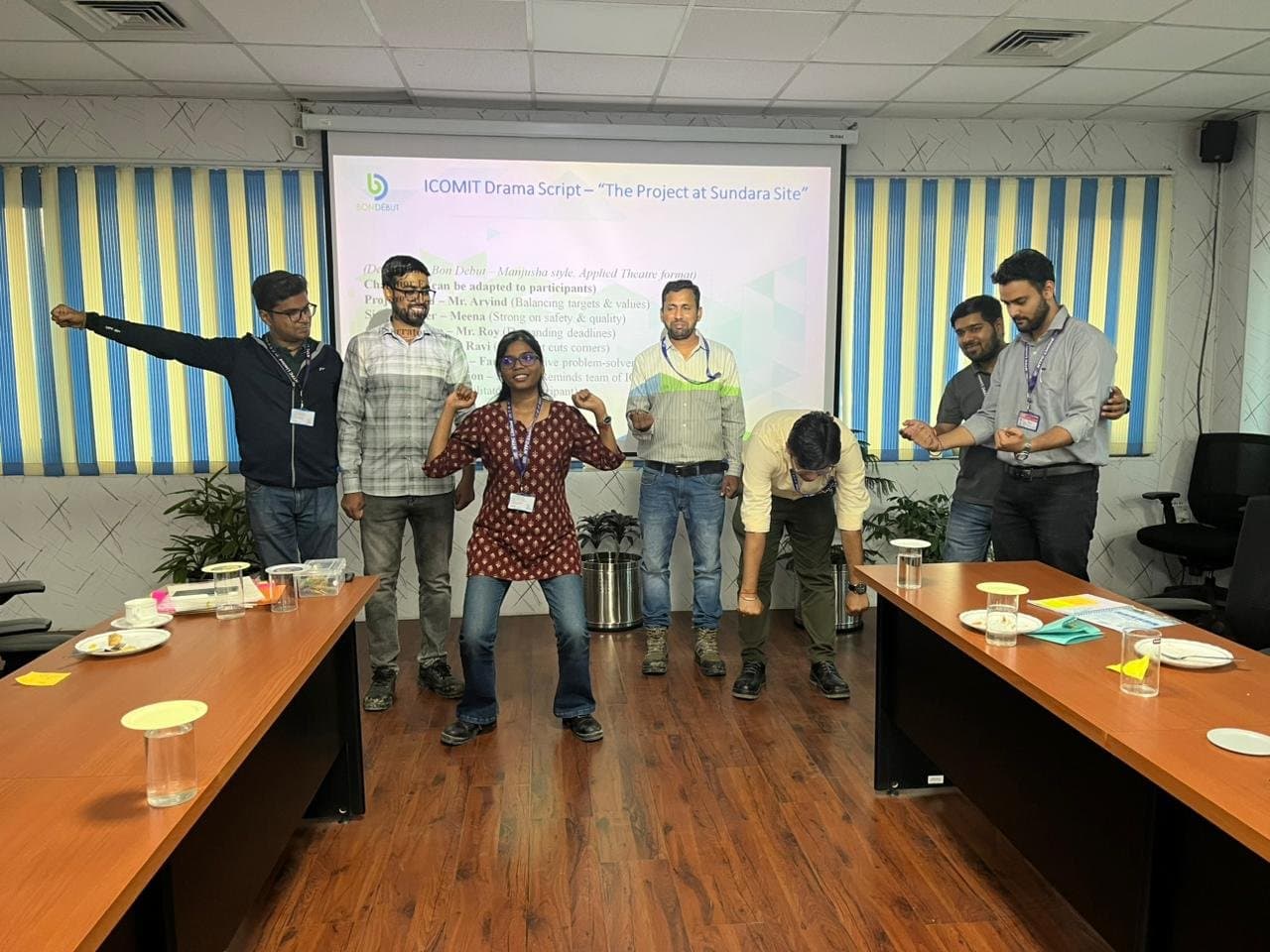
Our programs are experiential: leaders practice real scenarios, receive structured feedback, and develop personalized development plans. If your organization is ready to invest in leaders who lead from the inside, book a consultation with us today or explore our solutions to see how we can transform your leadership culture.