POSH Certified Trainer: Just a Certificate or a Commitment to Corporate Mental Health?
By Manjusha Ravi Bhaskarwar
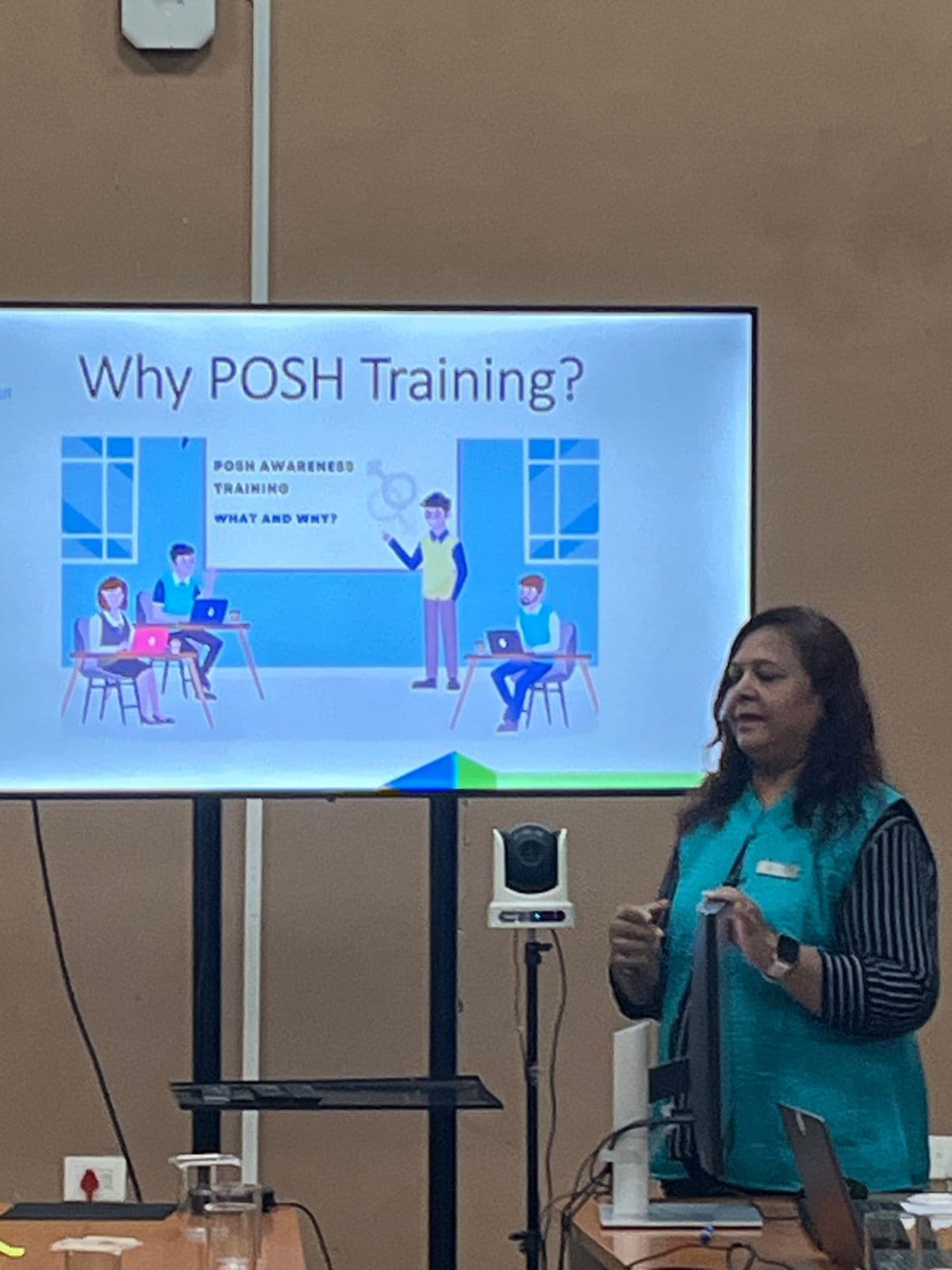
In many organizations, the phrase “POSH Certified Trainer” is often associated with a certificate, a compliance requirement, or a scheduled workshop to satisfy audit documentation. But the real question is deeper:
Is POSH only about certification, or is it about a genuine concern for human dignity and mental well-being at the workplace?
For me, POSH has always been about people before policies.
Beyond Compliance: Understanding the Human Side
The Prevention of Sexual Harassment (POSH) Act, 2013 was created to ensure that workplaces are safe and respectful for women. Over time, organizations have recognized that the spirit of POSH is much broader — it protects the dignity of employees and shapes the culture of the workplace. But when we look closely at many harassment cases, we often see something more complex than a simple “right” or “wrong.” There is usually emotional discomfort, misunderstanding, insecurity, power imbalance, or unresolved personal struggles involved. In such situations, two individuals are deeply affected: 1. **The aggrieved person**, who experiences discomfort, fear, or humiliation. 2. **The person accused**, whose actions may arise from poor boundaries, emotional instability, or lack of awareness. Neither situation reflects a healthy mental state. Both indicate that something in the environment — or in personal emotional development — needs attention.
POSH and Corporate Mental Health
This is where POSH training should evolve from a legal awareness session to a culture-building initiative. Workplaces today are influenced by:- Family background and upbringing
- Childhood experiences or trauma
- Emotional insecurity
- Stress, isolation, or relationship challenges
The Role of Core Values and Culture
A respectful workplace is not created only through rules. It is created through values. POSH training becomes meaningful when it connects with:- Company core values
- Ethical leadership
- Gender sensitisation
- Diversity, equity, and inclusion
- Respect for personal boundaries
- Accountability and empathy

Supporting Employees Who Struggle
Sometimes, behaviour that crosses boundaries may be linked to deeper emotional challenges. Instead of only reacting to incidents, organizations can take a proactive approach by offering:- Counselling support
- Emotional well-being programs
- Sensitisation workshops
- Safe reporting systems
- Leadership training on empathy and listening
The Responsibility of a POSH Trainer
A POSH trainer’s role should go beyond explaining the law. It should involve:- Creating a safe space for open conversation
- Helping employees understand impact versus intention
- Encouraging self-reflection and accountability
- Building empathy between colleagues
- Promoting a culture where dignity becomes a shared responsibility